
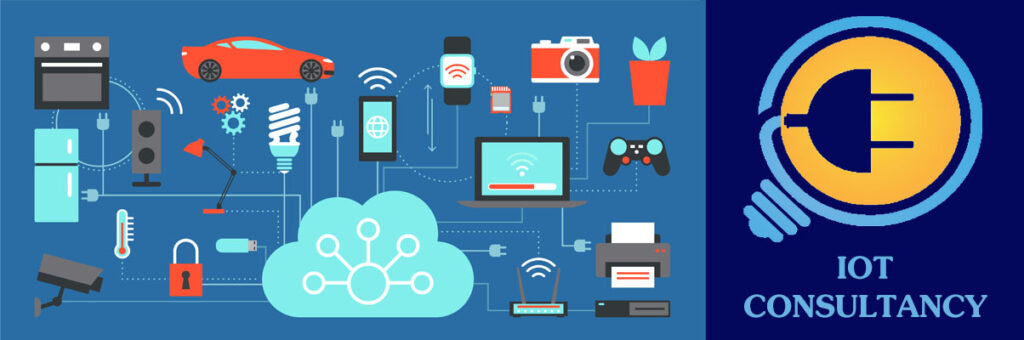
The Internet of Things (IoT) refers to the network of physical objects or “things” embedded with sensors, software, and connectivity capabilities that enable them to collect and exchange data over the internet. These objects can be everyday devices, such as smartphones, wearable devices, household appliances, or industrial equipment.
The concept behind IoT is to connect these objects and enable them to communicate with each other, as well as with humans, through the internet. By integrating these devices into a network, IoT allows for the exchange of data and the automation of various tasks without human intervention.
IoT devices typically consist of sensors or actuators that gather data from their environment or interact with it, a microcontroller or processor for processing the data, and some form of connectivity, such as Wi-Fi, Bluetooth, or cellular networks, to transmit the data. The collected data can be analyzed to derive insights, monitor and control the devices remotely, or trigger specific actions based on predefined conditions.
The applications of IoT are diverse and can be found in various domains, including smart homes, healthcare, agriculture, transportation, manufacturing, and cities (smart cities). IoT technology enables improved efficiency, automation, monitoring, and decision-making in these areas by leveraging the power of connectivity and data exchange between devices. However, it also presents challenges related to security, privacy, and the management of large-scale deployments.
Benefits
The Internet of Things (IoT) offers a wide range of benefits across various industries and sectors. Here are some key advantages:
- Improved Efficiency: IoT enables the automation and optimization of processes, leading to increased efficiency and productivity. Smart devices can gather and analyze data, allowing businesses to make data-driven decisions, streamline operations, and eliminate manual tasks.
- Cost Savings: By monitoring and controlling devices remotely, IoT can help reduce operational costs. For example, smart energy management systems can analyze energy consumption patterns and optimize usage, leading to significant cost savings. Predictive maintenance of machinery and equipment can also prevent breakdowns and reduce maintenance costs.
- Enhanced Safety and Security: IoT can enhance safety in various environments. For instance, in the automotive industry, connected cars can provide real-time alerts for potential hazards, improving driver safety. In manufacturing, IoT sensors can detect and prevent unsafe conditions on the shop floor. Additionally, IoT security systems can protect homes, businesses, and critical infrastructure against potential threats.
- Real-time Data and Analytics: IoT generates vast amounts of data that can be analyzed in real-time. This data can provide valuable insights into consumer behavior, product performance, and operational efficiency. By leveraging data analytics, businesses can make informed decisions, optimize processes, and identify new opportunities.
- Improved Customer Experience: IoT enables personalized and seamless experiences for customers. Connected devices can gather data about individual preferences, enabling businesses to deliver personalized services, recommendations, and targeted marketing. For example, smart homes can adjust temperature, lighting, and entertainment systems based on individual preferences.
- Remote Monitoring and Control: IoT allows for remote monitoring and control of devices and systems. This is particularly valuable in industries like healthcare, where patients can be monitored remotely, enabling timely interventions and reducing hospital stays. In agriculture, IoT sensors can monitor soil moisture levels and weather conditions, optimizing irrigation and crop yield.
- Environmental Benefits: IoT can contribute to sustainability efforts. By optimizing energy usage, monitoring pollution levels, and improving waste management, IoT helps reduce environmental impact. Smart grid systems, for instance, enable better management of energy distribution, integration of renewable energy sources, and more efficient resource utilization.
These are just a few examples of the benefits that IoT can bring. As technology advances and more devices become connected, the potential for innovation and positive impact is likely to grow.