
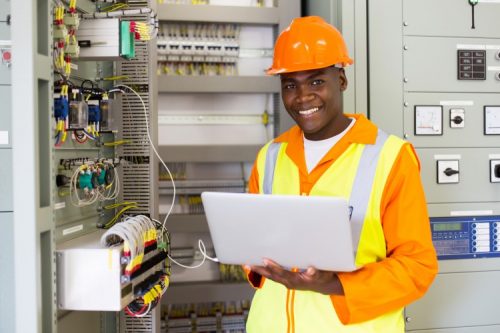
Electrical maintenance refers to the regular upkeep and inspection of electrical systems and equipment to ensure their proper functioning, safety, and efficiency. It involves a range of tasks aimed at preventing electrical failures, identifying potential hazards, and addressing any issues or repairs that may arise. Here are some key aspects of electrical maintenance:
- Inspection: Regular inspections are essential to identify any signs of wear and tear, loose connections, damaged wiring, or other potential electrical hazards. Inspections can be conducted visually or through more advanced methods such as thermographic imaging to detect hotspots or abnormal heat patterns.
- Testing and Calibration: Electrical maintenance involves testing and calibrating various electrical equipment and devices to ensure they are functioning within acceptable parameters. This includes testing circuit breakers, voltage regulators, transformers, and other critical components.
- Cleaning and Lubrication: Accumulated dust, dirt, or debris can affect the performance and lifespan of electrical equipment. Cleaning electrical panels, switches, contacts, and other components helps to maintain proper electrical conductivity and reduce the risk of malfunctions or failures. Lubrication of moving parts, such as motors or bearings, can also be necessary to ensure smooth operation.
- Preventive Repairs and Replacements: Electrical maintenance includes proactive measures to address potential issues before they escalate. This may involve replacing worn-out components, such as damaged cables, frayed wires, or faulty switches, to prevent electrical faults or hazardous conditions.
- Grounding and Earthing Checks: Proper grounding and earthing systems are crucial for electrical safety. Regular checks and tests are performed to ensure that electrical systems are effectively grounded, minimizing the risk of electrical shocks and protecting against electrical surges.
- Compliance with Codes and Regulations: Electrical maintenance involves ensuring that all electrical systems and equipment comply with relevant electrical codes and regulations. This includes following safety standards, updating systems to meet new requirements, and obtaining necessary permits or certifications.
- Documentation and Record-Keeping: It is essential to maintain accurate records of electrical maintenance activities, inspections, repairs, and upgrades. This documentation helps track the history of electrical systems, identifies recurring issues, and assists in planning future maintenance tasks.
Regular electrical maintenance is crucial for maintaining the reliability, safety, and efficiency of electrical systems. It can help prevent costly downtime, reduce the risk of accidents or electrical fires, optimize energy consumption, and extend the lifespan of equipment. It is advisable to consult with qualified electricians or electrical maintenance professionals to ensure that maintenance tasks are conducted safely and effectively.